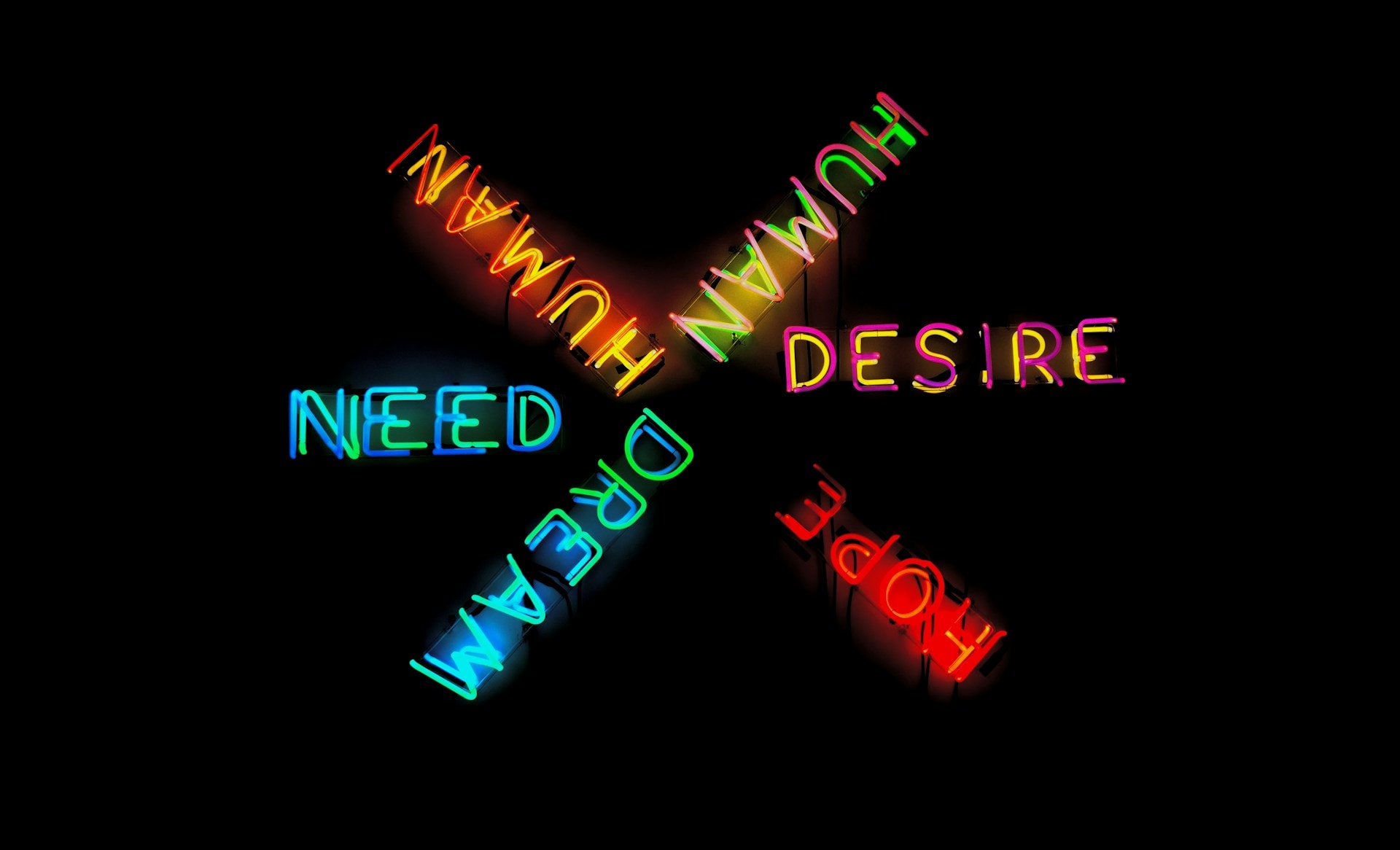
Why does it bring us pleasure, in historical and novelistic works, to play out the life of an era or of a character as if it were our own, as if we were acting it in our personal film? The pleasure we find in the schedules, the details, the gatherings, the pure thoughts? Is it possible to have dreams that create a private stage of real things? And to replace the question “what was the weather like” with “what was the book like,” until all the tiny details of everyday nuances become tedious history, and the moment is shared with that which passionately binds us—the philosophy of desire, of the primal awakening from a deep illusion into a new strange reality we suddenly realize does not suit us. And nothing matters without the true character present at the scene of events, because even if the writer abandons writing, and finally puts down the ink, he cannot abandon desire. She is the rival who always wins, especially when the honest beings in their posture and movement stand upright and radiant as interlocutors, shaping the entire mental biography of the fateful tactics of the person across from them, carrying the same essential idea even though all their lives they have been challenged. That is the true, tormenting challenge: to remain faithful to one’s own self, without wagers and without protective layers.
To love something in its purest form is like art in motion, without hesitation or playful detours. And again, within the given fickle materialism, to accept laughter as one’s compatriot in the dismantling of the stereotypical attitudes of a society that has forgotten its desire—or simply hidden it from the tasteless glasses of vice in the traffic lanes of our “metropolis.” And we hope that even Papa Smurf will appear and return our desire to the small basin we call home. Until then, all in blue suits and on stage, each in their role.