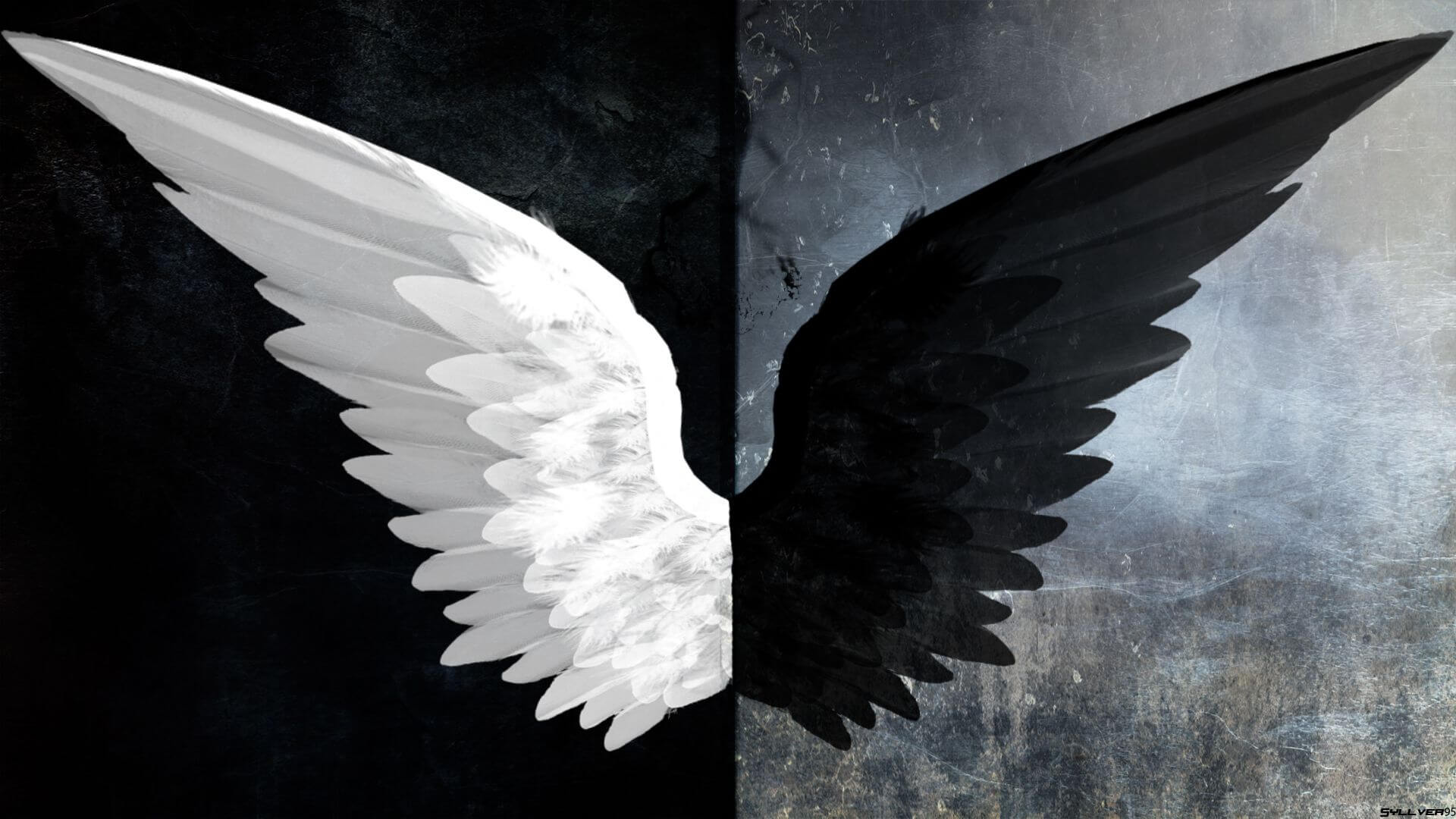
Plato’s idea of beauty exists outside the context of time or perspective, because beauty in itself cannot be ugly. It is adorned with values like justice and goodness—terms we can still read about in books today, but rarely encounter on the street. Is this perhaps due to a never-ending cycle of misunderstanding? What important values are part of the transformation of our world? Our ethics, which burn like the coal of a new age, scorched by climate torment.
In fact, we find ourselves like at the crossroads of the demigod Heracles, torn between the woman called Pleasure or Happiness—with her easy path and fulfilled desires—and the other, Virtue, with much effort and struggle, but one that leads to fulfillment and respect, and thus true happiness.
At that moment, morality steps out from behind the curtains, wearing the mask of the second act of a theater play, and poses a question to the audience: Why do we need morality? Is it because it serves others more than it serves us—since it does not allow for a comfortable life at the expense of exploiting others?
Morality is the main character in Plato’s Republic, through which he offers us divine perfection: the idea of the good, of justice, of education, of a kingdom that exists not on earth, but in the heavens—a model and a rule for human life. In that state, a person lives as a virtuous and happy individual. The same image still graces humanity today—in thoughts and dreams, in paintings and poems, in songs and melodies.
So we do not forget the alphabet of good behavior, and do not become like Medea, consumed by her untamed rage. For the earth needs beings through whom love gravitates—in emotional ecstasy between solid bodies and strong characters.